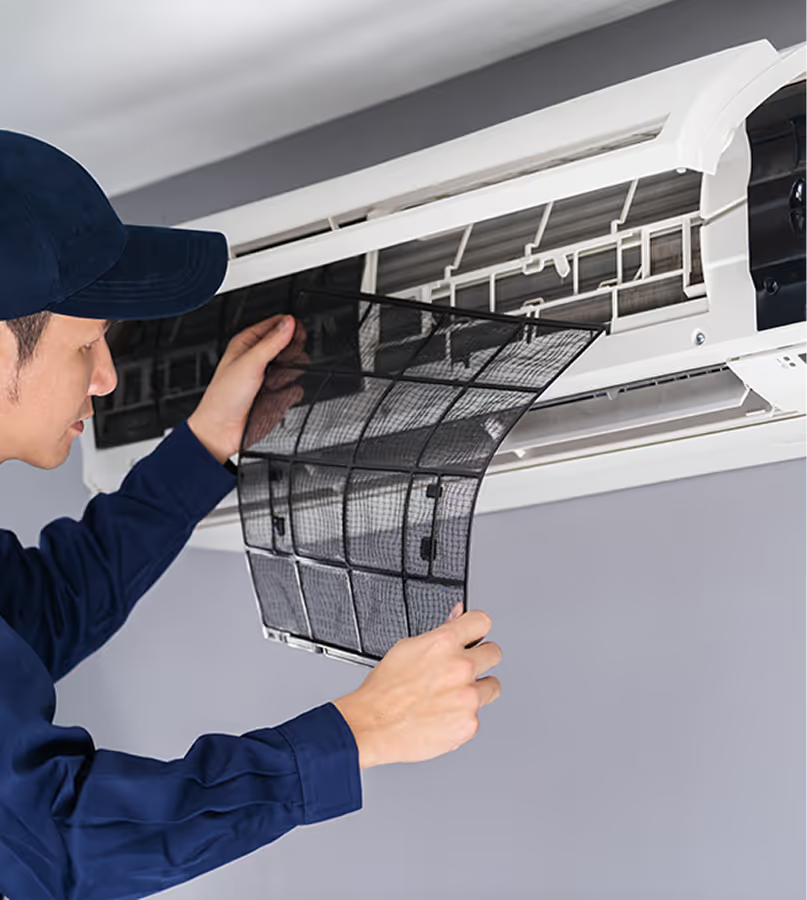
Eco-responsible air conditioners: do they really exist?
May 25, 2024



Are you still heating your house with oil and wondering if it's time to switch to electricity? Many Quebec households still use this system, but change is gradually needed. This conversion is no longer just a choice. Since December 2023, the installation, replacement and major repair of an oil-fired heating appliance have been prohibited.
Find out why this conversion is beneficial, what it involves and how to take advantage of the substantial financial assistance available.
• The conversion reduces your carbon emissions and improves indoor air quality
• The annual savings on heating costs can be substantial depending on your current consumption
• Some significant government grants amounts are available to cover part of the costs
• Several federal and provincial programs facilitate your energy transition
Conversion is the process of replacing your oil system with an electrical system in three steps.
Complete removal of your tank and furnace or boiler must be done by certified professionals to ensure safety.
Installing a new electrical system offers several options : central heat pump, electric furnace, or system with heat accumulator.
The electrical adjustments required, such as the upgrade of the electrical panel, are eligible under most grant programs. The process generally takes a few days to a week depending on the complexity.
Electricity in Quebec comes mainly from renewable hydroelectric sources. The Oil emits 100 times more carbon than hydroelectricity to produce the same quantity of energy. From the economic level, electricity offers price stability that oil cannot guarantee. Owners who are converting their systems can save $1,500 to $4,500 per year on their heating bills. This saving more than compensates for the initial investment. An electrical system does not produce soot or combustion gases. It eliminates the risks of leaks, persistent odours, and potential soil contamination.
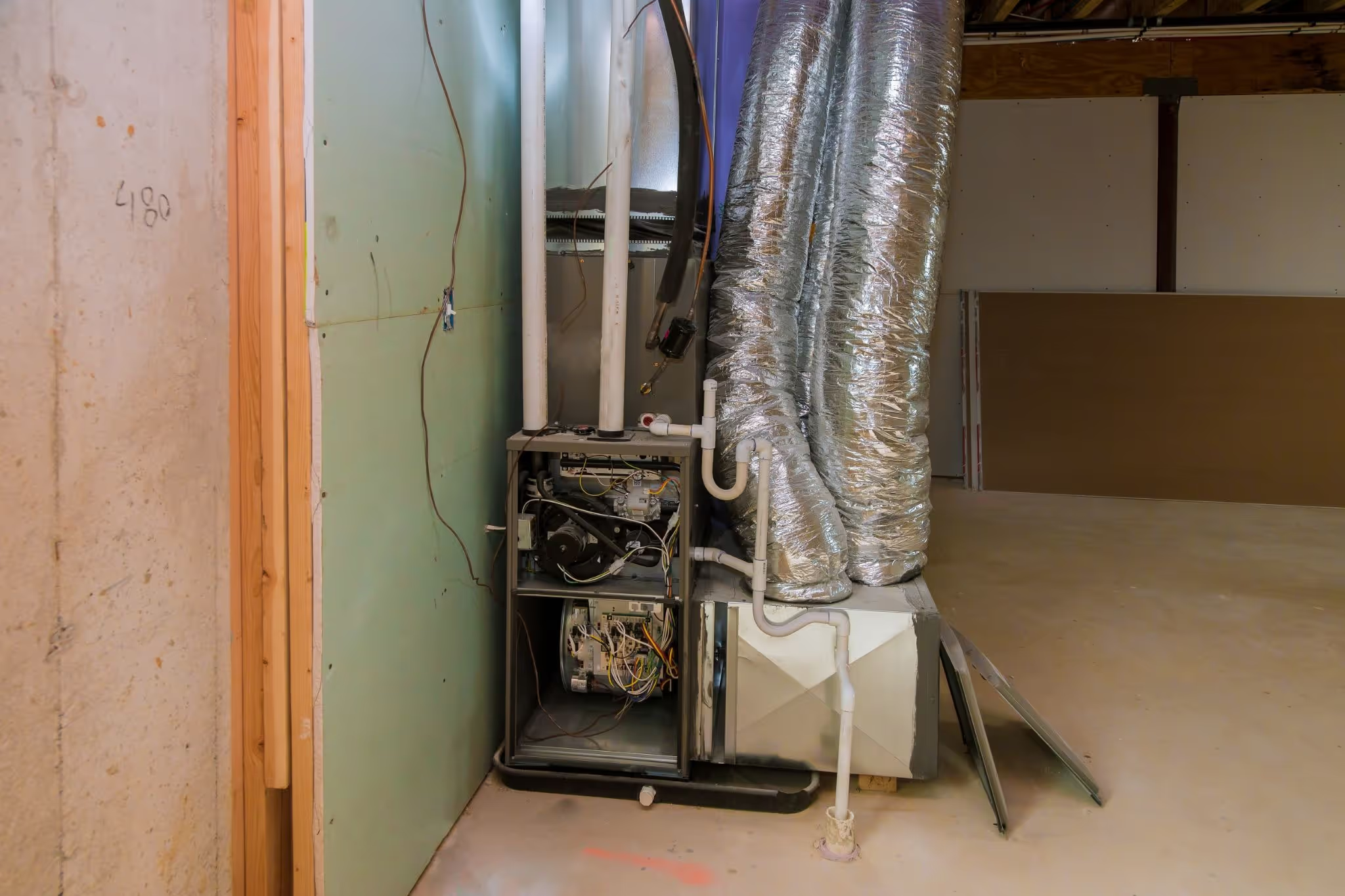
The program LogisVert proposes up to $15,000 for a system with a heat accumulator, with $7,000 in addition for a central heat pump.
The federal program Affordable conversion from fuel oil to a heat pump offering up to $10,000 to replace an oil-fired system with high-efficiency heat pumps.
The accumulation of grants from different government programs can significantly reduce your investment initial according to the rules in force.
The conversion of fuel oil to electricity represents an investment in the comfort of your family and the quality of our environment. With the substantial grants currently available, the time is favorable to undertake this energy transition. By planning your Convert now, you stay in control of the process, maximize the help available, and ensure your comfort for decades to come.
If you are unsure about the best time or the best approach for your conversion, our team can accompany you. We help you understand your options and navigate grant programs.
Contact us for a turnkey service.


Refrigeration, air conditioning, and heating for all types of buildings on the North Shore.
RBQ: 5801-3202-01

%201.avif)